


Gutter maintenance on a converted house can become surprisingly complicated. The overflow may be above one flat, the only safe access may be through another, and the downpipe may serve the whole building. Before arranging a clearance, identify who can approve the work, which roofline sections need attention and how the contractor will reach them. That preparation prevents a visit that ends at a locked gate or leaves the problem section untouched.
The key is to treat the gutter as part of the shared building envelope unless the property documents say otherwise. A resident can report a symptom and gather photographs, but ownership and repair obligations should be checked against the lease, freehold arrangements or management documents.
Record the symptom from a safe place
Note the elevation, approximate height and nearest downpipe. Is water spilling above a particular window, at a corner, or along a long run? Does it occur in ordinary rain or only during a heavy downpour? Photograph the location from a safe ground position or from inside a window without leaning out. Do not step onto a balcony edge or climb onto a roof to inspect it.
Describe any effect inside the flat separately: a damp mark, water near a sill or dripping onto a balcony. An internal mark is not proof that the gutter is the sole cause. Roof covering, flashing, brickwork and pipe defects can produce similar symptoms. A clear report tells the manager what has been seen without diagnosing a hidden fault.
The existing blocked-gutter guidance helps identify warning signs. For a converted building, add the flat number, elevation and access route to your report so the right section can be assessed.
Find the person who can authorise the work
Depending on the conversion, guttering may be maintained by a freeholder, residents' management company, managing agent or individual owner. Tenants should usually report the problem to their landlord or agent first. Leaseholders can check the lease and building contact details rather than assuming the gutter above their own window is theirs to commission.
If there is no professional manager, the owners may need to coordinate directly. Start with the documents and any established maintenance arrangement. A cleaning company can explain access requirements and visible condition, but it should not decide legal responsibility for the building.
If the issue is affecting a particular resident, acknowledge it promptly while the approval route is checked. A resident should know whom to contact if water starts entering the property. Keep photographs, dates and messages together so that the manager can distinguish a new report from a long-running issue. Where an emergency repair is needed, follow the building's own emergency procedure and seek the appropriate trade; a planned gutter clearance may not be the right response to active water ingress.
Seek one point of contact for the contractor, even when several households approve the cost. That person can confirm the scope, organise entry and collect the completion record. Without a named coordinator, different residents may give conflicting instructions on the day.
Map the access before requesting a price
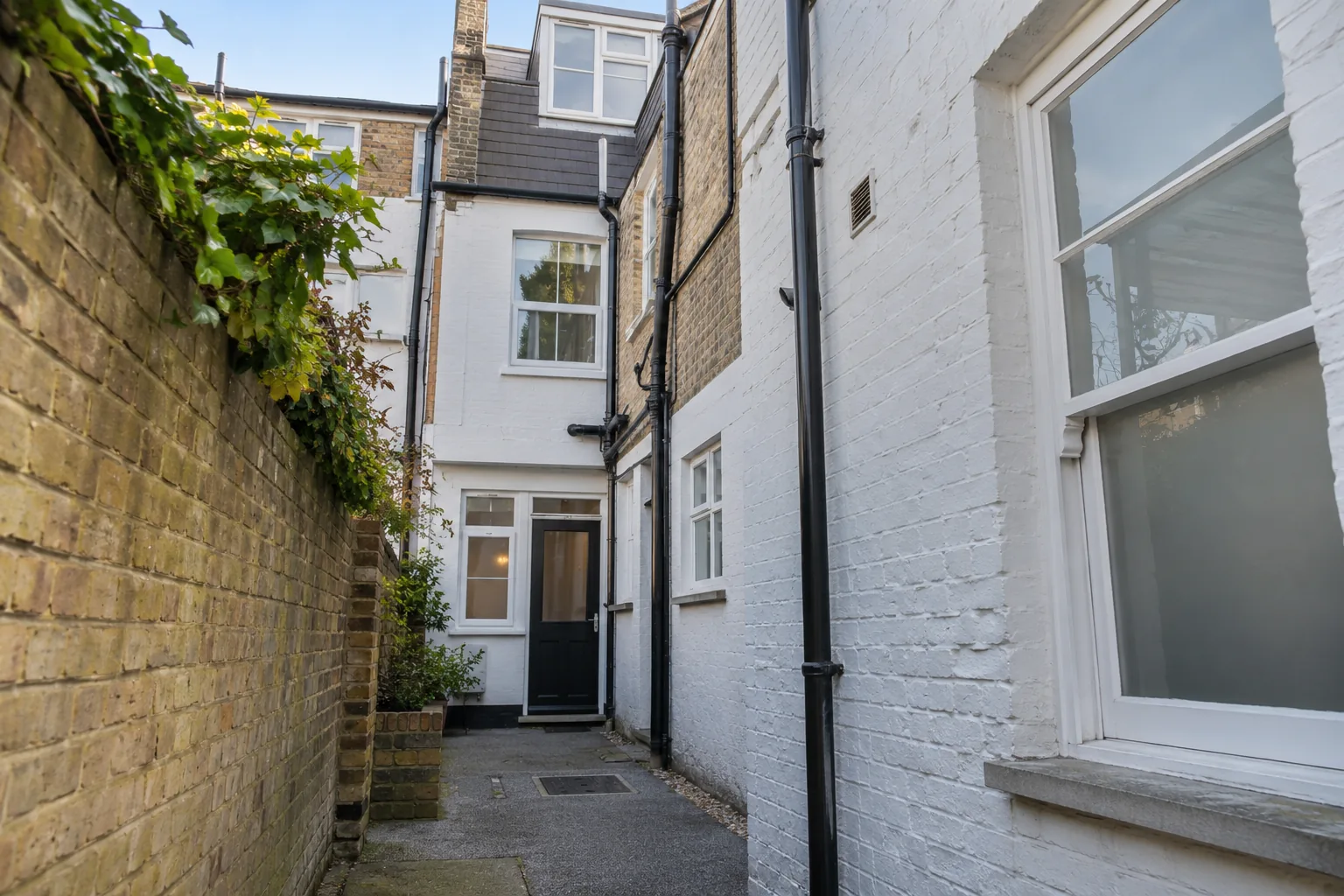
Converted properties often have a front entrance shared by all flats, a private rear garden, basement lightwells or a side passage used by only one occupant. A rear gutter may be invisible from the street. Give the contractor a simple plan showing each elevation, gates, steps, extensions and any fragile roof or planting below the work area.
Ask residents whether access through a flat is needed and whether they are willing to provide it at an agreed time. A contractor should not have to rely on an unscheduled neighbour being home. If the only route passes through a rented flat, the landlord or agent should follow the appropriate notice and access arrangements. Do not assume a common maintenance purpose gives automatic entry.
The gutter cleaning service can be used to request a property-specific assessment. Send photographs and the access map with the enquiry. Mention overhead cables, balconies, glazed extensions, parking restrictions and any area where equipment cannot safely be placed.
Define the gutter runs to be inspected
A building split into flats can have several roof pitches, dormers and rear additions, each with its own channel and outlet. The most obvious overflow might come from a high front gutter, while another run drains across a hidden side return. Ask for the quotation to identify the sections and outlets covered, rather than saying only “clean gutters at the property”.
Clarify whether downpipe checks are included and how inaccessible runs will be recorded. A photograph of one cleared front section should not be taken as proof that the rear is clear. If access is uncertain, ask for a staged assessment or a quotation that states the conditions under which the work can proceed.
The general gutter cleaning guide explains the clearing process. The converted-flat brief needs an additional record of shared access and which roof sections have actually been reached.
Protect residents and shared spaces
Give occupants the agreed date, approximate working area and any short-term restrictions. Ask them to move lightweight belongings from balconies or the ground immediately below the work if it is safe to do so. Keep common entrances and escape routes usable. If the work affects parking or a shared path, coordinate that in advance.
Do not promise a particular access method on the contractor's behalf. Equipment choice depends on height, ground conditions and the building layout. The contractor should assess how to work safely; residents should provide accurate information and permission for the areas involved.
Waste handling matters in shared spaces. Ask where removed debris will be collected and whether any material might fall into a neighbour's garden or a ground drain. A narrow lightwell can make cleanup harder than at an open front elevation. Identify it before the visit.
Keep one clear completion record
After the work, ask for a concise record of cleaned sections, outlets checked, any access limitations and any defects observed. Circulate it to the decision-maker and affected residents. If a leak remains, it may need a roofer or rainwater goods specialist rather than another clearance. The existing answer on whether cleaning stops leaks explains that distinction.
If the building has a maintenance budget, keep the invoice alongside the approved quotation so the people paying can see what was actually delivered. Record any extra section that was discovered during the visit and whether it was authorised. Clear records matter when several flats contribute to a shared cost. They also help a new managing agent avoid commissioning the same inspection again because the previous result cannot be found.
Check the affected elevation during the next safe rainfall. Note whether the original overflow has stopped and whether water discharges at the expected location. If it persists, provide the contractor with a precise photo or video and the completion record. That is more effective than reopening a vague request for “the gutters”.
Finally, keep the access map, contact details and work record with the building's maintenance documents. The next visit will be easier to quote and arrange, especially when occupants change. A converted property need not make gutter care difficult once the water route, responsibility and safe access are recorded in one place.