


A mature tree can be one of the best features of a London street or garden, yet the nearby roofline may need more attention than a home with open sky. Leaves are only part of the story. Blossom, seeds, small twigs and fine organic matter can settle in the gutter at different times of year. The right maintenance plan responds to what actually reaches your roof, rather than following a rigid calendar or assuming the tree is the problem.
Start by watching the rainwater route through a full season. Note which side of the property collects debris and when overflow first appears. This gives a contractor better information and helps you plan a sensible inspection interval without booking unnecessary visits.
What falls into a gutter, and when?
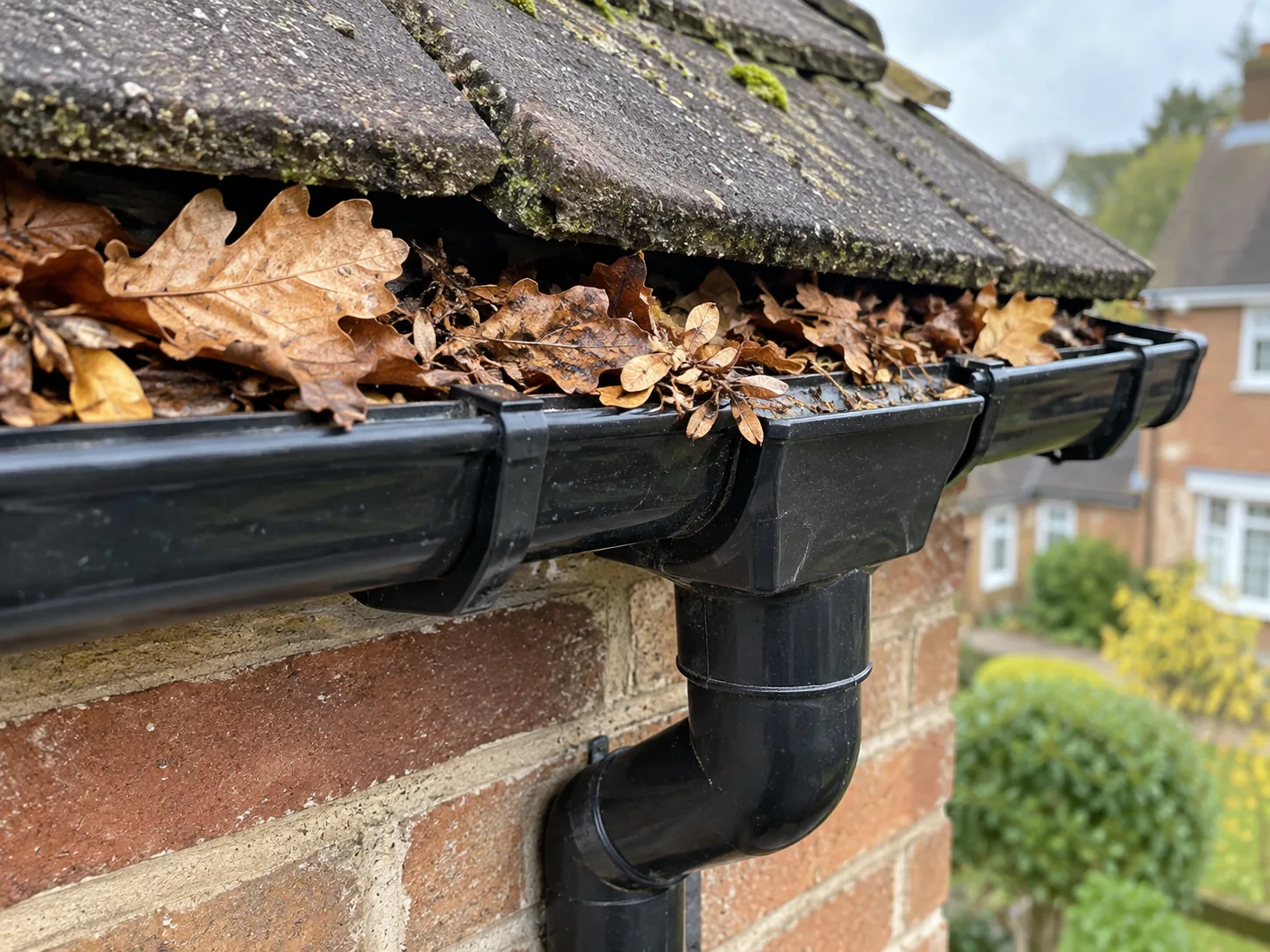
Autumn leaf fall is visible, but spring catkins and blossom can form a dense mat around an outlet. Some trees shed seeds or small branches in summer. Moss from roof coverings and grit from weathering can bind with this material. A gutter can therefore appear clear after the leaves have gone while a compacted layer remains below the lip.
The amount reaching your gutter depends on branch position, prevailing wind, roof slope and nearby buildings. A tree a short distance away may contribute more than one directly above if the street funnels wind towards the roof. Do not assume that every neighbouring tree needs pruning to solve a maintenance issue. Observe the actual pattern first.
Different roof elevations may need different attention. A north-facing rear gutter beneath a canopy can remain damp longer and hold organic debris, while the front stays relatively clear. If you request a quote, describe each elevation separately rather than asking for a single “tree-side gutter” check.
Identify a maintenance trigger
Look from the ground for leaves visible above the front edge, plants growing from the channel, or water escaping in ordinary rainfall. Watch the outlet and downpipe discharge if they are safely visible. These signs justify an assessment, but do not climb up to remove a handful of leaves yourself. The upper gutter may contain more compacted material than you can see.
If there is no visible overflow, use past experience to set a first inspection. A home with heavy autumn accumulation might benefit from a check after leaf fall. Another may need attention earlier because spring seeds collect at an outlet. Once the gutter has been assessed and the amount removed is known, adjust the timing. The existing guidance on how often gutters should be cleaned provides general context; local tree conditions should decide the practical interval.
Record heavy weather events. A windy night can deposit more material than several quiet weeks. A quick ground-level observation after a storm is useful, provided it is safe and conditions have settled. If a branch has damaged the roofline, seek repair advice as well as cleaning.
Think about outlets, not just visible gutter runs
Loose leaves can move along a gutter until they reach the outlet. This is why the section that looks clean from below may still overflow. Fine material can collect at bends or in the accessible upper part of a downpipe. Ask whether an inspection includes outlets and what evidence can be provided for sections that cannot be seen directly.
The gutter cleaning service is relevant where leaves or other debris need removal. When requesting a quote, mention any water butts, underground drains or shared downpipes. Clearing the channel is only part of understanding where rainwater goes next.
If water overflows despite a recent clearance, do not assume the leaves have returned overnight. A poor gutter fall, loose joint, restricted downpipe or blocked ground gully may explain it. The blocked-gutter guide describes common warning signs; a fresh inspection can separate a new obstruction from a defect that cleaning will not fix.
Are gutter guards worthwhile?
Guards and mesh can reduce entry of larger leaves in some situations, but they are not a universal substitute for inspection. Fine seeds, grit and organic dust may still pass through, while debris can sit on top of a guard and restrict water entry. Some systems also make it harder to see or clear what has collected underneath. The suitability depends on gutter shape, roof pitch, tree type and access.
If you are considering a guard, ask how the chosen product will be inspected and maintained, how outlets remain accessible, and whether it could affect the roof or gutter warranty. Treat claims of “maintenance free” with caution. A reversible trial on a suitable section may be more informative than fitting an entire building without an access plan.
Tree pruning is a separate decision. It should be based on tree health, safety and applicable permissions, not merely on the hope of eliminating all leaf fall. Check the position with your local authority and use an appropriate tree professional before arranging work. Pruning may reduce one source of debris, but it will not remove all seasonal dust, seeds and leaves from the roofline.
Keep the rest of the property clear
Leaves that miss the gutter may settle in a ground gully, patio drain or water butt filter. Clearing the roofline while leaving a blocked discharge point below can preserve the overflow. A simple ground-level routine is to remove loose leaves from accessible gully grates and note whether water drains away. Wear gloves, avoid reaching into concealed drains and seek specialist help if the gully remains slow.
On a small patio beneath trees, leaf litter can also hold moisture against paving. The patio cleaning service may be relevant if a surface has accumulated stubborn organic deposits, but routine sweeping between visits often makes the biggest practical difference. Keep loose material away from drain inlets so it does not simply move to another part of the system.
Water butts connected to tree-side downpipes deserve regular visual checks. A blocked inlet screen or overflowing butt can look like a gutter fault from a distance. Follow the water path from roof to ground before deciding which element needs attention.
Make the visit useful
Before a contractor arrives, note the tree species if you know it, the months when debris appears and the point where water spills. Photographs of the roofline and the last overflow are useful. Explain any rear access restrictions, fragile planting or shared pathways. Ask the contractor to distinguish material removed from damage or installation defects they observe.
After the visit, keep the date and a brief record of which runs and outlets were checked. Revisit the plan after the next seasonal drop. If little material was found and water flows well, the interval might be extended. If an outlet had dense accumulation, arrange the next check before the same seasonal peak. This measured approach protects the rainwater route while respecting the trees that make the property pleasant to live in.
Share the record with anyone else responsible for the building, especially where a neighbour's tree overhangs a shared roofline. Focus the conversation on observed debris and water flow rather than blame. A simple agreement to exchange photographs after major leaf fall may prevent duplicated visits. If tree work is suggested, confirm the reason and any permissions separately from the gutter-cleaning decision.